Skip to content
TechForge

Projects

Case study

GateVision

An automated line-judging and results system for F3F RC model speed-course competitions. GateVision replaces human line judges and timekeepers with a distributed embedded vision system.

Computer VisionYOLOv5OpenCVEmbedded LinuxDistributed SystemsGSM Telemetry
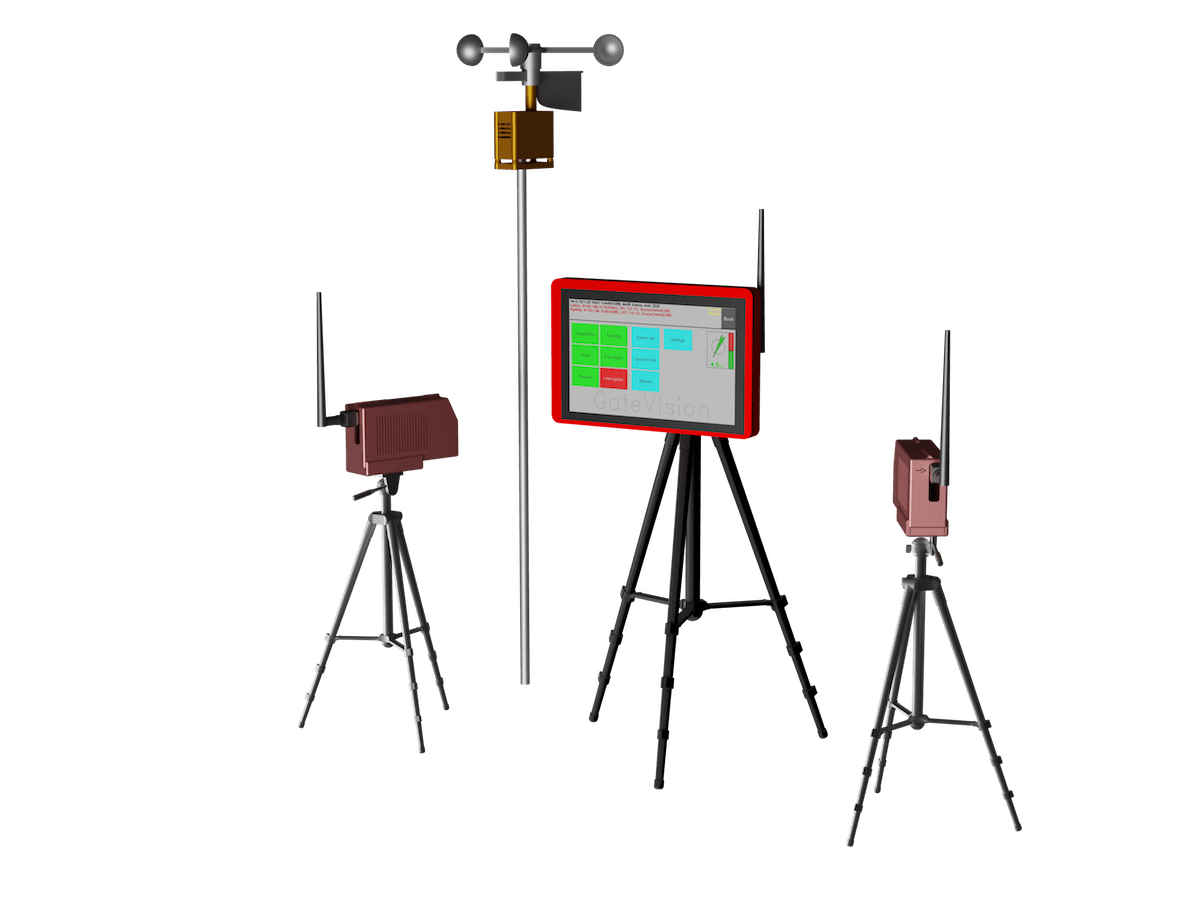
The full GateVision system: two camera base-station units, the central control unit, and the anemometer mast

What it does

Precision line-crossing detection

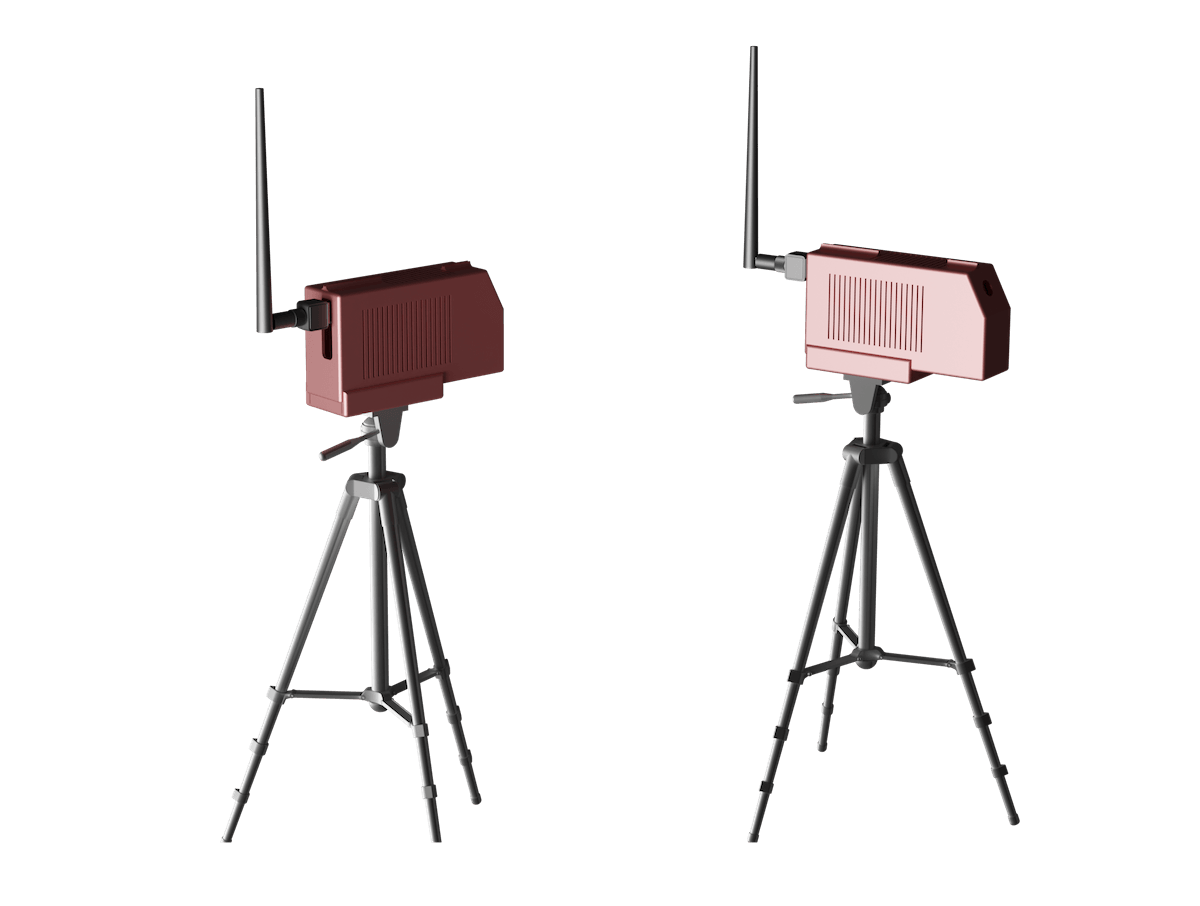
Camera-equipped base-station units, one at each end of the course, use a custom-trained neural network to detect the exact instant a model aircraft crosses the virtual course boundary — replacing human line judges with consistent and repeatable optical timing.
Live round tracking & pilot feedback

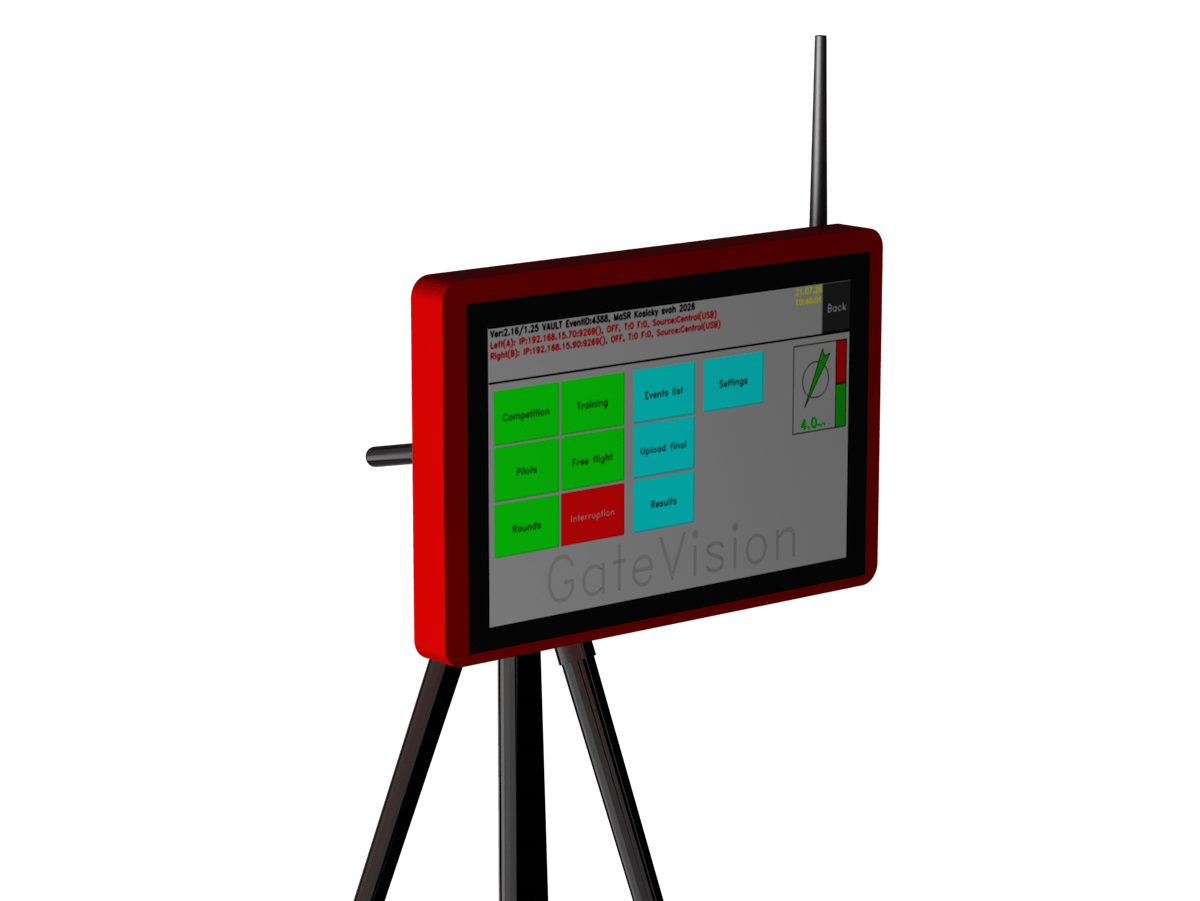
A central control unit with an onboard display coordinates both base stations over the local wireless network, tracks round progress in real time, and announces each course crossing to the pilot through an onboard speaker.

Automated go/no-go weather assessment

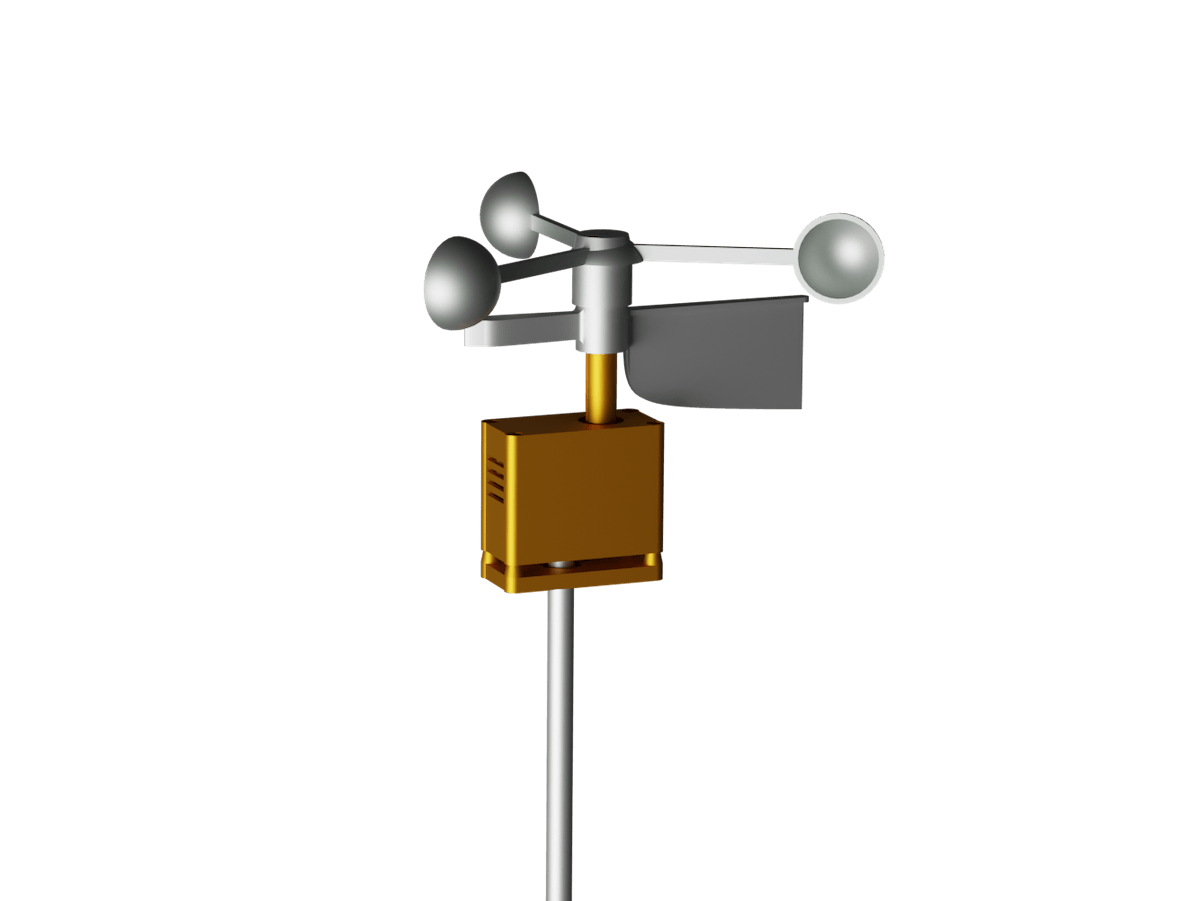
A custom-built anemometer measures wind speed, wind direction, and temperature. It lets the system automatically determine whether current conditions meet competition requirements for a valid round — removing a manual, judgment-based call from the competition process.

Remote results delivery

The central unit uploads round results to a remote server over a cellular (GSM) connection. It gives organizers and spectators live access to results without manual data entry or a wired network at the competition site.

Engineering highlights

  • Modern C++ distributed system running on embedded Linux, on Raspberry Pi units with Arducam camera modules
  • OpenCV-based detection and contouring pipeline for locating and tracking the aircraft in frame
  • A custom YOLOv5 neural network, trained from scratch and run through OpenCV's inference path
  • Input frames downscaled to a specific low-bit-depth resolution, enabling real-time inference on Raspberry Pi–class hardware
  • A distributed system of three Linux nodes (two base stations, one central unit) communicating over TCP/IP
  • Custom anemometer hardware including incremental sensors for wind speed, an I2C angle sensor for wind direction, a one-wire sensor for temperature
  • Live results upload over a GSM connection, with no dependency on site internet or wifi infrastructure

A reference for what we build

GateVision isn't a product we sell — it's our reference project. It shows what a small embedded team can deliver end-to-end: a distributed embedded system with field-hardened remote connectivity, designed and deployed for a real competition environment. That's the kind of full-stack build we take on through our consulting work.

Have a distributed system to design and develop?

GateVision is one example of what we build when a project needs computer vision, embedded systems, and custom hardware working together. If you've got a similar challenge, let's talk.

Start a project